

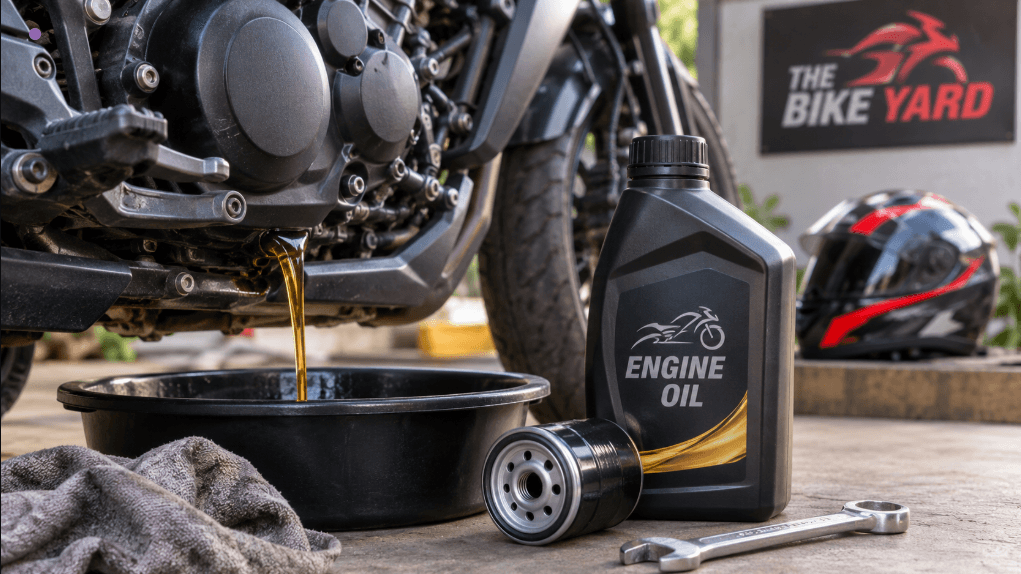
Your Engine Deserves Better: The Truth About Motorcycle Oil
You can invest in a beautiful motorcycle, maintain its appearance, buy quality riding gear and spend weekends exploring Kenya's open roads. But what happens when you neglect the one thing your engine depends on every single time you start it?
And no, it's not just something your mechanic pours into your bike during servicing. The oil circulating inside your engine is responsible for reducing friction, managing heat, protecting moving components and keeping everything working together. Get your oil choice wrong, and a well-maintained motorcycle will suffer unnecessary wear.

So, how do you know which oil your motorcycle actually needs?
Let's start with those numbers printed on the bottle.
10W-40, 10W-50 and 15W-50: What Are You Looking At?
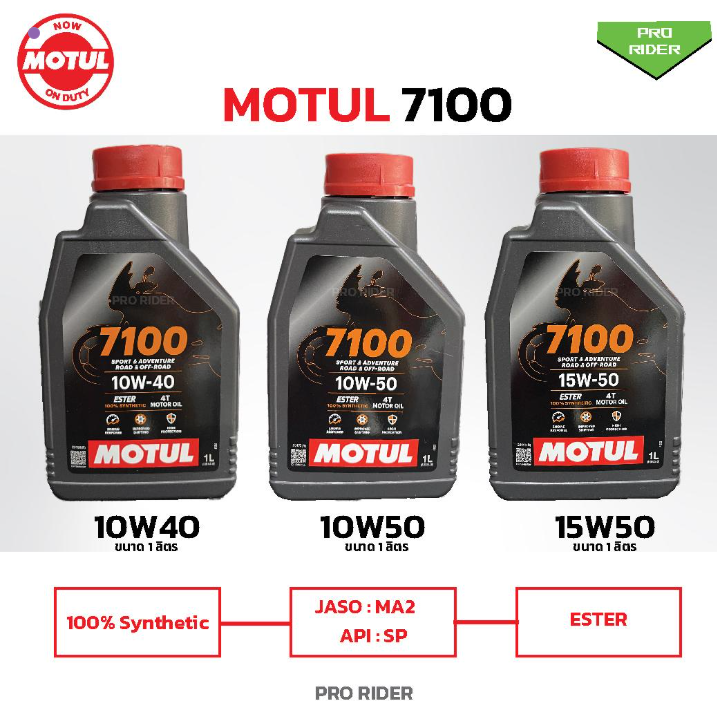
Ever wondered what those numbers mean? They describe an oil's viscosity, essentially how it flows at different temperatures.
The number before the W indicates its cold-temperature viscosity grade, while the number after it describes its viscosity at higher operating temperatures.
Here's the interesting part: 10W-40 and 10W-50 have the same winter grade, but 10W-50 remains thicker at operating temperature. Meanwhile, 15W-50 has a higher winter grade than 10W-50.
Does thicker automatically mean better protection? Absolutely not. Your motorcycle manufacturer's recommended viscosity is what matters. A 150cc commuter and a high-performance 600cc machine shouldn't automatically receive the same oil simply because they share the road.
Why JASO MA2 Is a Big Deal
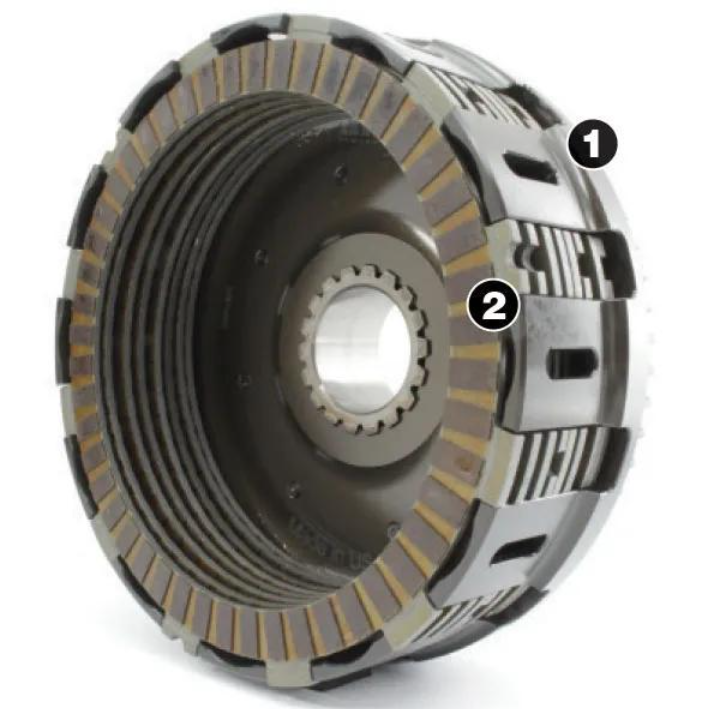
Here's something many riders overlook: your motorcycle's engine oil may also lubricate its gearbox and wet clutch.
That means the oil isn't just protecting the engine; it's working alongside components responsible for transferring power to your rear wheel.
This is where JASO MA2 comes in. It is a motorcycle oil classification designed with wet-clutch friction performance in mind. Using unsuitable oil containing certain friction modifiers can cause clutch slippage.
In short, the right oil must do more than lubricate. It must work with your motorcycle's entire lubrication system.
Why Consider Fully Synthetic Oil?
Mineral, semi-synthetic and fully synthetic oils aren't identical. Fully synthetic oils are engineered for demanding operating conditions and can offer strong resistance to heat and mechanical stress.
If you're looking for a premium fully synthetic option, meet MOTUL 7100 4T.
Available at The Bike Yard in three viscosity grades:
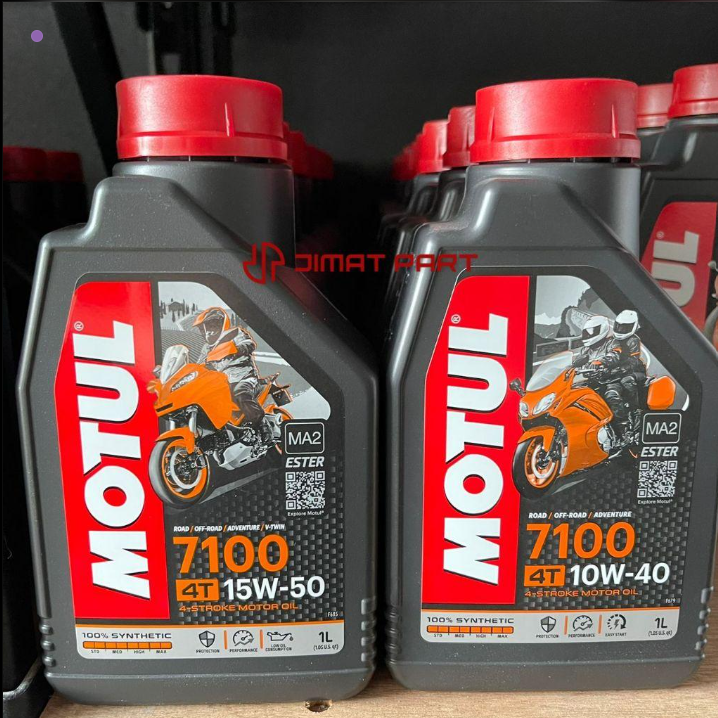
- 10W-40: For motorcycles whose manufacturers specify this grade.
- 10W-50: For motorcycles requiring a 10W-50 viscosity.
- 15W-50: For motorcycles requiring a 15W-50 viscosity.
All three are Ester-based, 100% synthetic motorcycle oils with JASO MA2 specifications. They are formulated to support engine protection, gearbox performance and wet-clutch operation.
Don't Wait for Your Engine to Complain
Unusual engine noise, overheating, falling oil levels and rough shifting deserve attention. However, don't wait for warning signs before servicing. Follow your manufacturer's recommended oil-change intervals and check your oil regularly.
Your motorcycle carries you through Nairobi traffic, across highways and onto adventures you won't forget. Give its engine the attention it deserves.
Visit The Bike Yard, Donholm, and explore the MOTUL 7100 range. Because taking care of your motorcycle shouldn't begin when something goes wrong; it should begin with every decision you make to keep it running.
Share this article
Share on WhatsAppShop Certified Safety Gear
Protect yourself with gear that meets international safety standards. Browse our collection of certified helmets and protective equipment.
Shop NowABOUT MARK MATEI
Passionate about motorcycling and sharing knowledge to help fellow riders enjoy their journeys safely and efficiently.
Shop Related Products
Related Articles


Discussion
Share your thoughts with the community
Leave a comment
No comments yet
Be the first to share your thoughts!